
Commercial fire alarm inspection benefits for property owners extend far beyond basic code compliance. Regular inspections safeguard your building, protect tenants, and strengthen your overall financial security. They also support life-safety planning, ensure reliable fire detection, and preserve long-term asset value. In Norfolk, commercial property owners are expected to maintain reliable fire protection systems that meet state and local fire-safety requirements. When a fire alarm system fails during an emergency, liability exposure can increase quickly.
Routine inspections, testing, routine maintenance, and fire system certification help ensure early detection, rapid response, and proper coordination with the fire department when it matters most.
Key Takeaways
- Commercial fire alarm inspection benefits for property owners in Norfolk include reduced liability, improved life safety, and documented compliance.
- Routine maintenance and timely fire system repair support reliable early detection, rapid response, and effective fire suppression.
- Inspections verify that control panels, power supply connections, smoke detectors, sprinklers installed, and water flow switches function as designed.
- Proper documentation, required acceptance testing, and fire system certification strengthen your position if a claim arises after property damage or an incident.
How Regular Fire Alarm Inspections Reduce Liability Risks in Virginia
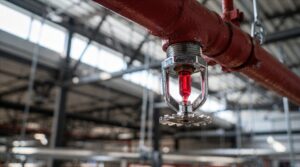
Consistent inspections are one of the most effective risk-management tools available to Norfolk property owners. As part of our broader fire protection services, inspections ensure every critical component is thoroughly evaluated. This includes your fire alarm system, fire sprinkler system, and all connected protection systems.
Each review is conducted with safety, compliance, and liability reduction in mind.
Documented Compliance With Local Fire-Safety Requirements
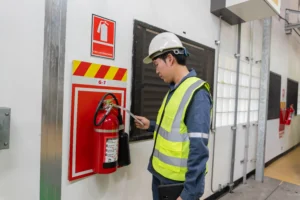
As your service provider in Norfolk, we perform scheduled inspections to verify that your fire alarm system meets applicable fire-safety standards and local code expectations.
This documented process shows you have taken reasonable steps to maintain required fire protection systems. It includes automatic sprinkler systems, portable fire extinguishers, and water-supply control valves.
Proper documentation can significantly reduce liability during an investigation. If a fire official reviews your records, a clear inspection history helps demonstrate compliance.
Reliable Early Detection and Rapid Response
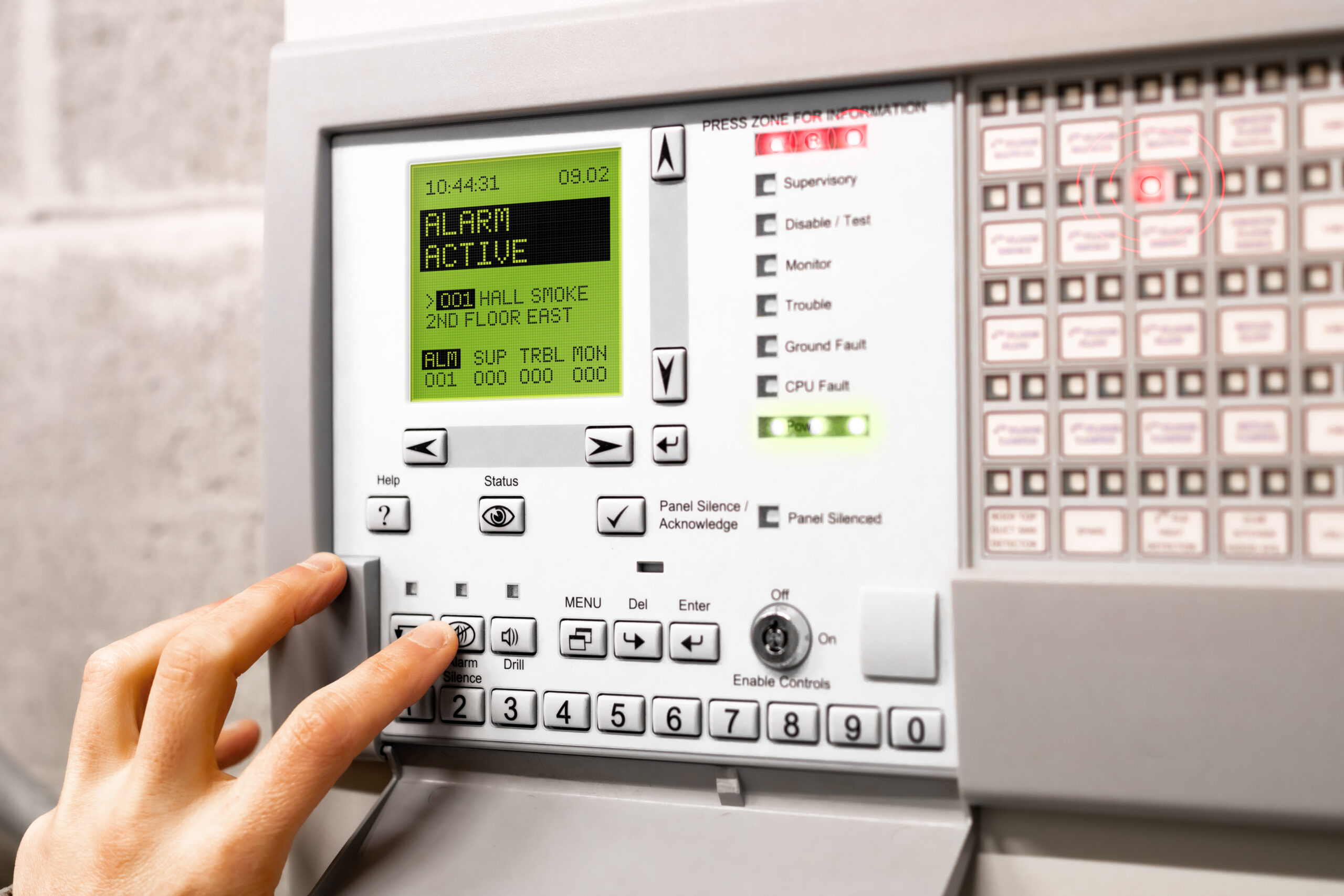
We test smoke detectors, control units, control panels, alarm systems, and backup power supply components to confirm that early detection functions operate correctly.
When a fire alarm system activates as originally installed, it supports a rapid occupant response. It also improves coordination with the fire department during an emergency.
This includes clear access to fire hydrant connections and fire department connections. Fast notification helps limit property damage and reduce business interruption.
Reliable system performance also strengthens your defense against claims tied to delayed alerts or alarm failure. Many property owners compare inspection standards across the industry to better understand compliance expectations for commercial fire alarm systems.
Verification of Integrated Fire Protection Systems
During inspections, we evaluate how your fire alarm system interacts with other fire protection systems, such as the fire sprinkler system, fire pump, and common fire suppression system components.
Confirming that water flow switches communicate properly with the control panel is essential. The same applies to private fire service mains and valves controlling water supplies.
Fire hose connections and the fire pump must also integrate correctly. When these components function together, they support effective fire suppression. Proper coordination helps maintain an adequate water supply and protect overall life safety.
Identification of Necessary Repairs Before Failures Occur
Our inspection process is designed to uncover worn devices, compromised power supply wiring, critical air pressures in dry systems, damaged sprinkler heads, and other such components before they lead to alarm failure. By addressing necessary repairs through proactive fire system repair services, you reduce the risk of failure.
Ensuring service personnel document inspection findings and deficiencies clearly is equally important. Clear records help prevent system malfunctions during an emergency. They also demonstrate responsible building management during a liability review.
What Norfolk Property Owners Should Review Before Their Next Inspection
Preparation plays an important role in maximizing the value of your upcoming inspection in Norfolk, VA.
Access to All Fire Alarm and Suppression Components
Before we arrive, please ensure clear access to control panels and smoke detectors.
Access should also include fire department connections and fire pump rooms. Make sure fire hose threads, sprinklered areas, and private fire service mains are reachable. Clear access allows our service personnel to work efficiently and safely.
They will inspect critical air pressures and confirm valves are locked in the normal position.
We also review roadway boxes provided for fire hydrant access. Any required fire appliance must be accessible for proper suppression system service without delay.
Documentation of Previous Service and Modifications
Providing records of prior inspections helps us confirm system history and compliance. Please include documentation of required acceptance testing and hydraulic calculations. Share details of changes made during permanent construction or demolition operations. These records allow us to verify proper system configuration.
We confirm that the fire alarm and suppression systems match the correct hazard classification. We also ensure operating instructions remain accurate and up to date.
Property managers sometimes reference suppliers when reviewing equipment specifications, sprinkler heads, cooking media protection components, or replacement parts to ensure system consistency. This documentation supports accurate fire system certification and reduces compliance gaps.
Environmental and Seasonal Risk Factors
In Norfolk, freezing temperatures, coastal humidity, and changes in occupancy can affect water supply lines, sprinkler heads, roadway boxes, hose stations, and other fire protection components.
We review these local risk factors to confirm that automatic sprinkler systems, portable fire extinguishers, and other fire protection systems remain reliable year-round and capable of supporting effective fire suppression.
Coordination With Tenants and Occupants
If your building includes multiple tenants, commercial cooking operations, demolition operations, or specialized areas protected by a common fire suppression system, coordination is essential. We advise property owners to notify occupants in advance of scheduled testing.
Advance notice helps prevent confusion when alarm signals are activated. It also prepares tenants for temporary system shutdowns or suppression system work. Clear communication supports continuous life-safety coverage throughout the process.
It also reinforces accurate operating instructions during inspections and testing.
Protect Your Property With Professional Fire Protection
Your fire alarm system is a legal safeguard as much as it is a life-safety tool. Staying current with inspections, routine maintenance, fire system repair, and fire system certification helps protect you from unnecessary liability and costly property damage.
Partner with Professional Fire Protection for dependable commercial fire alarm inspections in Norfolk, VA. Our experienced service personnel provide thorough evaluations of fire alarms, fire sprinkler systems, fire pumps, fire suppression systems, and integrated fire protection systems to support compliance, early detection, rapid response, and long-term asset protection.
Contact us today to schedule your next commercial fire alarm inspection and ensure your building is prepared for early detection and rapid response.
Frequently Asked Questions
How often should a commercial fire alarm system be inspected in Norfolk, Virginia?
Inspection frequency depends on system type and occupancy, but most commercial fire alarm systems require at least annual testing, with some components inspected more frequently. Regular inspections verify that smoke detectors, control panels, alarm systems, fire suppression system components, and fire sprinkler system elements are periodically inspected and remain compliant with fire-safety standards.
What is included in a commercial fire alarm inspection?
A comprehensive inspection typically includes testing of the control unit, power supply, initiating devices such as smoke detectors, notification appliances, water flow switches, and other fire detection devices. We also review fire department connections, confirm fire system certification requirements, inspect valves controlling water supplies, and evaluate overall system performance.
Can a failed inspection increase liability exposure?
Yes. If a fire alarm system fails and there is no record of routine maintenance or documented inspections, property owners may face increased scrutiny from insurers or authorities. Maintaining proper fire system certification, documenting necessary repairs, and ensuring that fire protection systems are periodically inspected help demonstrate responsible management.
How do fire alarms work with other fire protection systems?
Fire alarms are often connected to automatic sprinkler systems, fire pumps, fire hose connections, and other fire suppression components. When water flow switches activate or certain components detect a problem, the control panel sends signals to alert occupants and coordinate response with the fire department, supporting early detection, rapid response, and effective fire suppression.