Commercial buildings do not all face the same fire hazards. At Professional Fire Protection Systems, we help commercial property owners and facility managers across Virginia and eastern North Carolina evaluate fire protection needs. Each facility has different equipment, materials, operations, and occupancy conditions.
Understanding fire suppression systems for commercial buildings helps decision-makers match protection to the specific hazards within their properties.
Key Takeaways
- Fire suppression systems for commercial buildings should match the specific hazards, operations, and occupancy within each facility.
- Water-based sprinklers provide broad protection for many occupancies, while special-hazard fire suppression systems address more specialized risks.
- Wet-chemical fire suppression systems are designed for commercial cooking hazards, while dry-chemical systems can address certain industrial hazards.
- Choosing a fire suppression system requires consideration of local codes, the authority having jurisdiction, and specific building uses.
- Commercial properties with multiple uses may require different types of fire suppression systems for separate areas or hazards.
Matching Fire Suppression Systems to Specific Facility Risks
Understanding how fire suppression systems work begins with identifying the hazard they are intended to control. Different commercial fire suppression system types use different agents and suppression methods. Protection should therefore match the conditions within each area of a commercial facility.
Water-Based Sprinkler Systems for General Occupancies
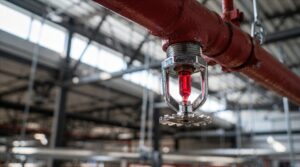
Water-based fire sprinkler systems provide automatic protection for many commercial occupancies. Common applications include offices, warehouses, retail properties, educational facilities, and manufacturing buildings. When sufficient heat activates an individual sprinkler, water discharges in the affected area to help control the fire.
The NFPA provides additional information about how sprinkler protection contributes to fire safety. For commercial properties across Virginia and eastern North Carolina, sprinkler design should reflect the conditions within the building.
Important considerations include occupancy, layout, stored materials, and applicable fire protection requirements. Property owners exploring available protection can review Professional Fire Protection’s fire systems when considering how sprinkler protection fits within a broader fire-safety approach.
Wet Chemical Systems for Commercial Kitchens
Wet-chemical fire suppression systems are designed for commercial cooking operations with high-temperature oils and grease. These conditions create specialized fire hazards that require an appropriate suppression approach. Wet-chemical systems discharge an agent over protected cooking appliances and related equipment.
The agent helps suppress the fire and reduce the potential for reignition. Restaurants, cafeterias, institutional kitchens, and other commercial food-service operations may require this protection. Protected equipment can include fryers, griddles, ranges, and other cooking appliances.
The Occupational Safety and Health Administration guidance for fire protection also outlines workplace fire-safety considerations that employers should understand. Evaluating the cooking equipment and surrounding operations helps determine the appropriate protection for each commercial kitchen.
Dry Chemical Systems for Flammable Liquid Hazards
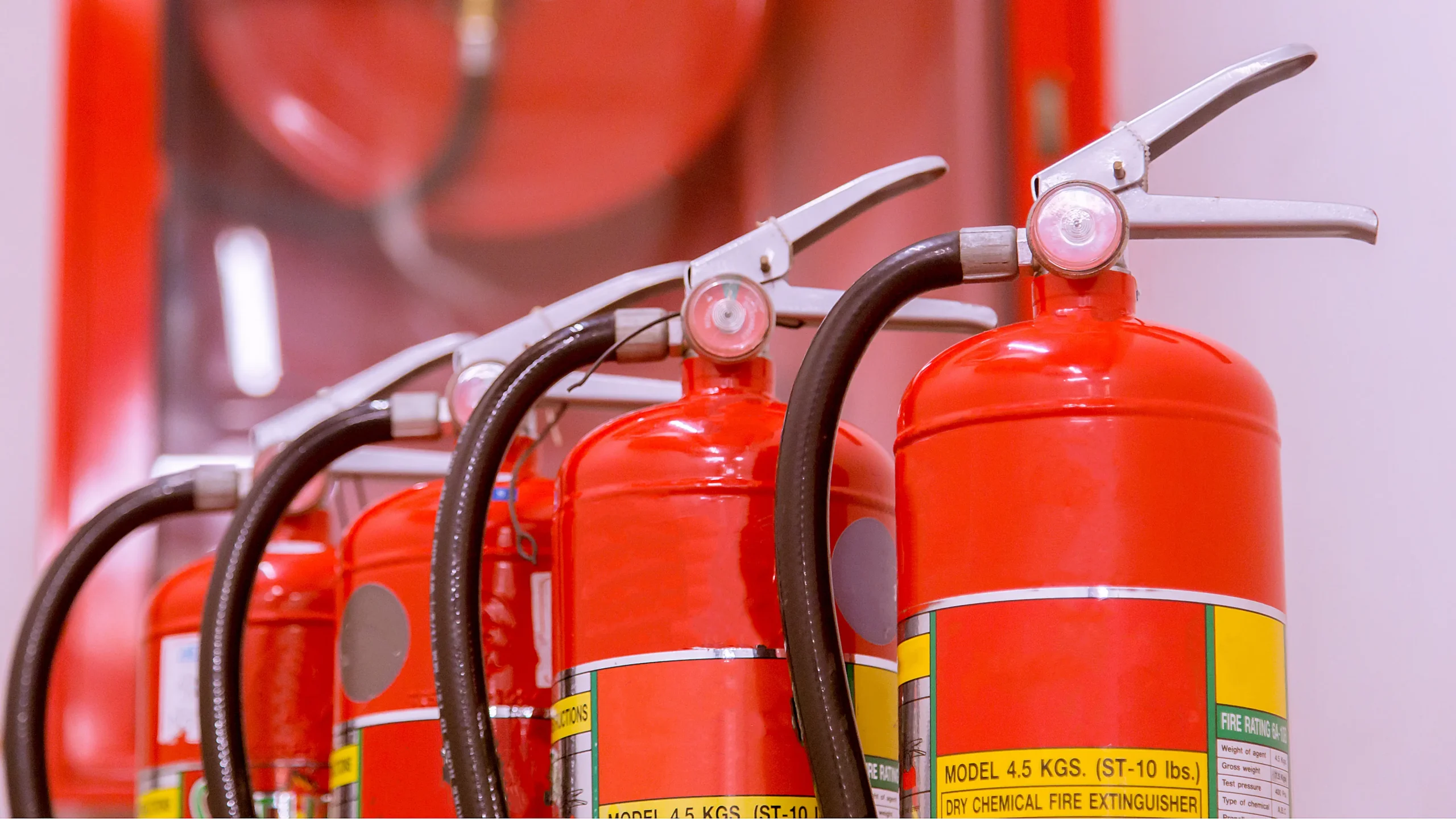
Dry-chemical fire suppression systems use a suppression agent intended to interrupt the combustion process. These systems can address specific commercial or industrial hazards where an appropriate dry-chemical application is required.
Potential applications include certain operations involving flammable liquids, paint booths, or specialized industrial equipment. Water-based protection alone may not address every hazard within these environments. Because facility conditions vary, system selection should always reflect the actual risk.
Applicable requirements and equipment specifications also influence the appropriate approach. Facility managers comparing fire protection services should consider whether separate operational areas need different suppression methods. A hazard-specific evaluation helps avoid treating every commercial space as though it presents identical fire risks.
Key Priorities for Choosing the Right Protection Approach
Choosing a fire suppression system involves more than comparing equipment or suppression agents. Building owners should evaluate facility hazards, applicable requirements, and daily operations before selecting a protection strategy.
Identify the Facility’s Primary Fire Risk
The first step is identifying materials, equipment, and processes that could contribute to a fire. A warehouse storing ordinary goods differs significantly from a commercial kitchen or manufacturing area. Paint booths and spaces containing sensitive equipment also introduce distinct considerations.
The U.S. Fire Administration’s commercial building fire resources can help facility stakeholders understand workplace fire-prevention considerations. Property owners throughout Virginia and eastern North Carolina should evaluate individual areas within each building.
This process helps ensure the protection approach reflects the hazards actually present. It can also identify areas where different types of fire suppression systems may be necessary. Choosing a fire suppression system should begin with these site-specific conditions rather than a predetermined system type.
Align With Local Code and AHJ Requirements
Fire suppression system design and installation must account for applicable codes and local requirements. The authority having jurisdiction, commonly called the AHJ, plays an important role in reviewing applicable requirements.
Specific requirements can differ according to the property, occupancy, system type, and jurisdiction. Building modifications or changes in use can also affect fire protection considerations. Addressing design, permitting, inspection, and approval requirements early can support a smoother project. This approach also helps owners identify potential compliance concerns before work progresses too far.
Businesses can review Professional Fire Protection’s service locations when determining whether their property falls within the company’s Virginia or eastern North Carolina service coverage. Local requirements should remain part of the planning process from initial evaluation through ongoing system service.
Account for Occupancy Type and Building Use
Commercial properties can contain several occupancies or operational areas under one roof. These differences may create separate fire protection needs within the same facility. A property might combine offices, storage areas, manufacturing operations, and commercial cooking spaces.
Each area can introduce different fuels, ignition sources, equipment, and occupancy conditions. Facility managers should therefore evaluate protection by area and hazard. They should not assume one suppression method addresses every risk throughout a property. This approach is especially important for campuses, warehouses, manufacturing facilities, educational properties, and government buildings.
Mixed-use commercial properties can also require careful evaluation when operations change between spaces. Understanding fire suppression systems for different fire hazards helps owners plan protection around actual facility conditions. It also supports a more coordinated approach to inspection, service, repair, and long-term system management.
Get a Fire Suppression System Evaluation for Your Property
Choosing the right fire suppression system starts with understanding the hazards within your property. Professional Fire Protection provides sprinkler, kitchen suppression, dry-chemical, and special-hazard fire protection services across Virginia and eastern North Carolina.
Facility operations, equipment, stored materials, and existing fire protection can all influence system needs. Contact us to discuss your property’s fire protection requirements.
Frequently Asked Questions
How much does a commercial fire suppression system cost?
Commercial fire suppression system costs depend on system type, facility size, protected hazards, coverage requirements, and building conditions. Because these factors vary between properties, a site-specific evaluation is necessary before determining an appropriate project scope or accurate price.
What type of fire suppression system is best suited for a commercial kitchen?
Wet-chemical fire suppression systems are designed for commercial cooking hazards involving grease and high-temperature oils. They protect designated cooking equipment and related areas by applying a suppression agent that helps control fires and reduce the potential for reignition.
What are the four types of fire suppression systems?
Common commercial categories include water-based sprinklers, wet-chemical systems, dry-chemical systems, and special-hazard systems using specialized agents. The appropriate category depends on the equipment, materials, occupancy, and specific fire hazards within the protected commercial space.
What are the 5 types of commercial fire alarm systems?
Fire alarm systems vary by detection method, control equipment, notification devices, monitoring arrangement, and building requirements. Rather than relying on one universal list of five types, facility owners should select configurations based on occupancy and applicable requirements.