
Prepare for upcoming fire protection inspections with checklists designed to help commercial property owners, facility managers, and operations teams organize system information and identify service needs.
Professional Fire provides guidance for commercial facilities across Virginia and Eastern North Carolina. Explore common inspection preparation tasks for fire alarms, sprinklers, extinguishers, suppression equipment, and other supported systems.
Different fire protection systems require different inspections, testing procedures, maintenance activities, and documentation. Choosing a checklist that matches your facility’s equipment can help your team prepare before professional service.
Review alarm panel conditions, reported trouble signals, available inspection records, and known equipment concerns before scheduled fire alarm service.
Organize sprinkler inspection records, known leaks, visible damage reports, and information about system changes that may require professional evaluation.
Review extinguisher locations, accessibility, visible condition, inspection tags, and reported equipment concerns to help prepare for required servicing.
Check for reported lighting failures, obstructed exit signs, damaged fixtures, and available maintenance records before arranging professional inspection or repair.
Prepare commercial cooking facilities for suppression system service by documenting equipment changes, previous inspection findings, and known system concerns.
Organize available fire pump testing records, backflow service documentation, reported equipment issues, and inspection findings for professional review.

A scheduled inspection can involve several systems, service records, equipment locations, and responsible team members. Preparing this information in advance helps facility teams communicate existing concerns and support an organized inspection process.
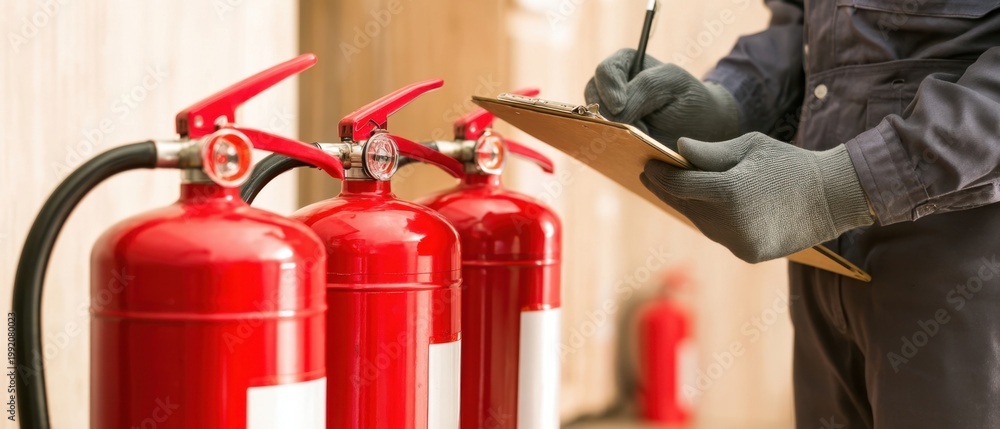
Commercial fire inspection checklists help facility teams organize records, recognize visible concerns, and prepare relevant information before a scheduled service visit.
However, a facility walkthrough or administrative checklist does not replace required inspection, testing, and maintenance by appropriately qualified personnel.
Professional inspections may involve specialized procedures, equipment testing, technical evaluations, and documentation based on the installed system, applicable standards, and authority having jurisdiction.
If your checklist reveals damaged equipment, system trouble conditions, missing records, or unresolved deficiencies, contact a qualified fire protection professional for the appropriate next steps.
Inspection preparation often reveals maintenance concerns that need more than a checklist. Professional Fire supports commercial property teams with inspections, repairs, maintenance, and approved work across multiple fire protection systems.
Address reported alarm faults, damaged devices, monitoring concerns, and inspection findings through supported fire alarm maintenance, repairs, and testing.
Coordinate professional evaluation and service for sprinkler deficiencies, leaks, equipment damage, and system maintenance concerns.
Arrange required professional extinguisher inspections, maintenance, installation, inspection, maintenance, and repair when equipment needs attention.
Request inspection, maintenance, and repair support for failed emergency lights, damaged exit signs, and other lighting deficiencies.
Coordinate suppression system inspections, maintenance, repairs, and service reviews following changes to protected cooking equipment.
Request qualified installation, inspection, maintenance, and repair support for approved clean agent, inert gas, and hybrid suppression systems.

Completing an inspection is only one part of commercial fire protection management. Facility teams also need to understand documented findings, track unresolved deficiencies, coordinate corrective services, and maintain records for future reference.
Professional Fire helps businesses across Virginia and Eastern North Carolina coordinate supported inspection and maintenance services alongside repairs and follow-up work.
Whether your property has one fire protection system or several, our team can review inspection documentation, identify supported service needs, and explain the next steps.

Commercial teams rely on Professional Fire for practical guidance, responsive service, and documentation that helps keep inspections, repairs, and system needs moving.
A preparation checklist should identify installed systems, equipment locations, previous inspection reports, known deficiencies, maintenance records, and access requirements. Actual inspection procedures depend on the system and applicable standards.
Facility managers can use checklists for preparation and permitted routine observations. They do not replace required inspections, testing, or maintenance performed by appropriately qualified personnel.
Inspection frequencies vary by system, equipment, applicable codes, and local requirements. Fire alarms, sprinklers, extinguishers, and suppression systems may follow different schedules and testing procedures.
Document the finding, identify the affected equipment, and arrange the appropriate professional evaluation or corrective service. Some deficiencies may require prompt action or additional coordination with the authority having jurisdiction.
Yes. Maintain applicable inspection reports, test results, deficiency records, and corrective service documentation according to governing requirements. These records help track system history and demonstrate completed maintenance.
Professional Fire supports inspections and maintenance across multiple commercial fire protection systems. Contact the team with your equipment details and requested services to determine the appropriate scope and scheduling.
Need a professional fire protection inspection, assistance with documented deficiencies, equipment repairs, or ongoing maintenance?
Professional Fire supports commercial facilities across Virginia and Eastern North Carolina with fire alarm, sprinkler, extinguisher, suppression system, and other applicable fire protection services.
Share your facility location, installed systems, known issues, inspection deadlines, and available documentation. Our team can review your request and help determine the appropriate service path.
Fill out the form and a Professional Fire Protection fire safety specialist will contact you within 24 hours.
"*" indicates required fields