
Fire protection systems help protect people, property, and business operations. Understanding inspection requirements, maintenance needs, and equipment conditions can help commercial property owners and facility managers make informed decisions.
Explore these fire protection FAQs for practical answers about fire sprinklers, alarms, suppression systems, inspections, repairs, monitoring, and fire protection requirements in Virginia and Eastern North Carolina.
A fire protection system includes equipment designed to detect, control, or suppress fires. Commercial buildings may use sprinklers, alarms, fire pumps, extinguishers, and specialized suppression systems. Required equipment depends on building occupancy, fire hazards, and applicable codes.
Professional Fire Protection provides sprinkler and alarm design and installation, inspections, maintenance, repairs, monitoring, and specialized suppression services. Additional services include fire pumps, extinguishers, backflow prevention inspection and repair, and exit and emergency lighting inspection and service.
Active fire protection includes equipment that detects or suppresses fires, such as alarms, sprinklers, and extinguishers. Passive protection includes fire-rated walls, doors, and floors that help limit fire and smoke spread. Both contribute to building safety.
Professional Fire Protection serves Virginia and Eastern North Carolina, including Norfolk, Virginia Beach, Newport News, Richmond, Ashland, Emporia, and Elizabeth City. Contact (757) 671-8999 to confirm service availability for your commercial property.

Inspection schedules depend on equipment, applicable codes, and local requirements. Some components require monthly or quarterly checks, while others need annual or longer-interval testing. NFPA 25 and NFPA 72 address water-based fire protection and fire alarm systems, respectively.
Building owners or designated representatives generally oversee required inspections, testing, and maintenance. Property managers may coordinate these activities under management agreements. Maintaining records and correcting documented deficiencies are essential responsibilities.
Technicians examine applicable equipment, evaluate operating conditions, identify deficiencies, and document findings. Depending on the system, inspections may involve valves, gauges, alarm panels, and sprinkler components. Required functional testing may be performed separately.
Review documented deficiencies and arrange professional evaluation and corrective service. Some issues require immediate attention. If protection is impaired, follow applicable impairment procedures, including required notifications and temporary safety measures.
Commercial sprinklers discharge water when individual sprinkler heads reach their rated activation temperature. Most conventional systems activate only the sprinklers exposed to sufficient heat. Proper design, water supply, and sprinkler placement help control developing fires.
Fire sprinkler systems require recurring inspections, testing, and maintenance, commonly under NFPA 25. Requirements vary by component, including valves, gauges, sprinkler heads, and waterflow devices. Follow the schedule applicable to your installed system.
Warning signs include leaks, corrosion, damaged sprinkler heads, unusual pressure readings, and valve trouble indications. Some problems are only discovered during professional testing. Contact a qualified technician when equipment damage or malfunction is suspected.
Yes. Professional Fire Protection provides commercial fire sprinkler design and installation for new buildings and existing properties. System requirements depend on occupancy, hazard classification, building configuration, water supply, and applicable codes.
Fire alarm systems detect or receive fire-related signals and alert occupants. Sprinkler systems discharge water to control or suppress fires. These systems may work together through interconnected alarm and waterflow monitoring equipment.
Fire alarm inspection and testing schedules depend on installed equipment, NFPA 72 requirements, manufacturer instructions, and local regulations. Different components may require different testing intervals. Qualified technicians can establish appropriate schedules.
A trouble signal may indicate power, communication, wiring, or equipment problems. Follow facility procedures and contact a qualified technician. Avoid disconnecting or bypassing equipment without authorization and applicable impairment precautions.
Yes. Professional Fire Protection offers fire and security monitoring services. Supported systems can transmit designated alarm signals to a monitoring service for appropriate handling. Available configurations depend on the equipment and monitoring arrangement.
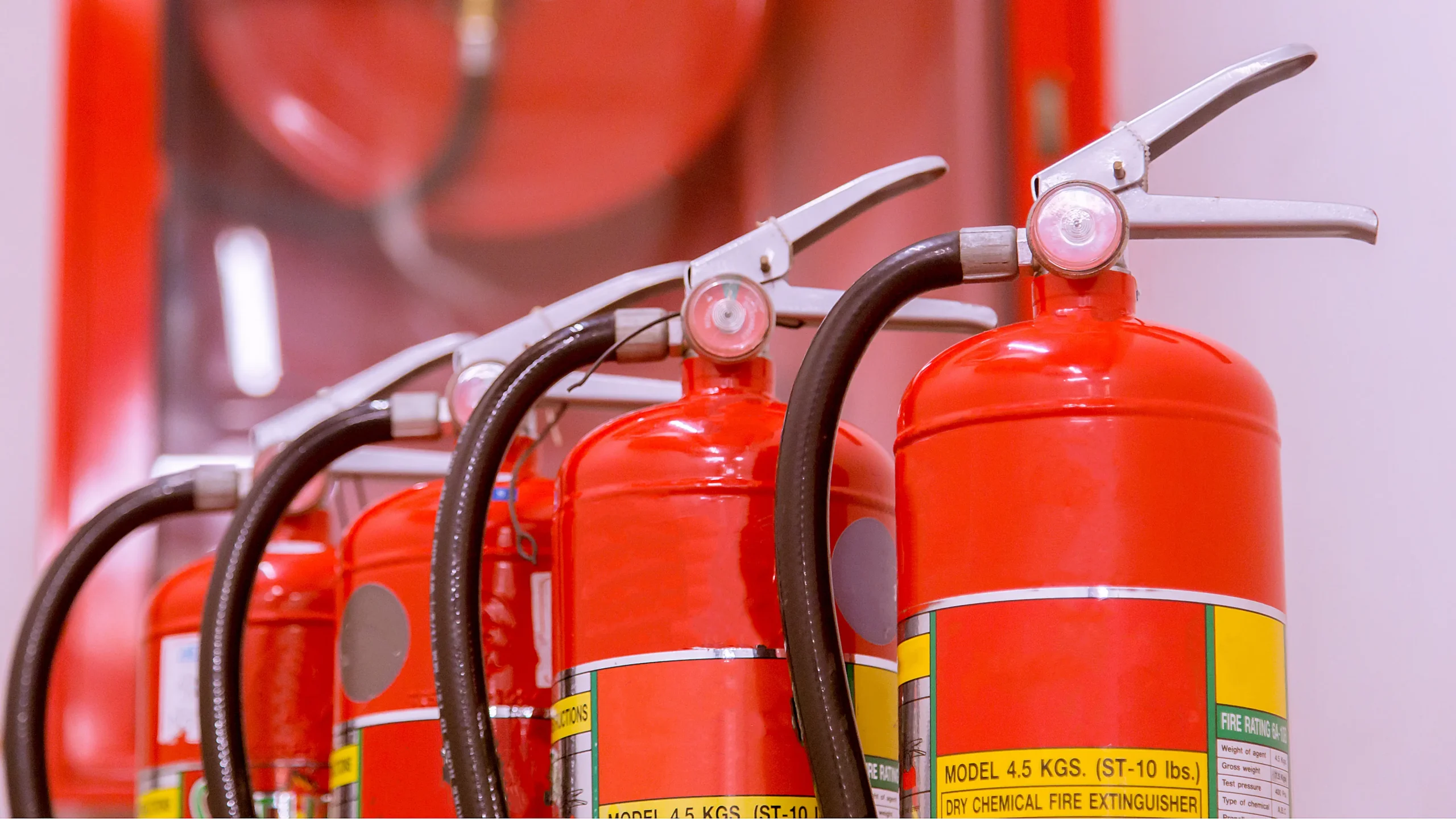
Portable fire extinguishers generally require monthly visual inspections and annual professional maintenance under NFPA 10. Additional examinations or testing may apply depending on extinguisher type. Regular checks help identify damaged, missing, or obstructed equipment.
Commercial kitchens commonly use wet chemical suppression systems designed for cooking equipment and associated ventilation areas. These systems help control cooking oil and grease fires through automatic or manual activation and agent discharge.
Yes. Commercial kitchen suppression systems commonly require semiannual professional service, subject to applicable codes and manufacturer instructions. Equipment changes or kitchen renovations may also require evaluation to confirm appropriate suppression coverage.
Fire pumps provide additional water pressure and flow when the available supply cannot meet system requirements. They support certain sprinkler and water-based protection systems and require regular inspection, testing, and maintenance.
Notify responsible facility personnel and contact a qualified service provider. Follow applicable impairment procedures, including required notifications and temporary protective measures. If an active fire or immediate danger exists, evacuate and call 911.
Yes. Professional Fire Protection provides 24/7 on-call technician support for fire protection service needs. Call (757) 671-8999 to report equipment problems and request assistance. For active fires or immediate life safety emergencies, call 911.
Some equipment can be repaired, while other components require replacement due to damage, compatibility, manufacturer requirements, or applicable codes. A qualified technician should evaluate the condition and recommend appropriate corrective action.
Requirements may include adopted building and fire codes and NFPA standards. Common examples include NFPA 13, NFPA 25, NFPA 72, NFPA 10, and NFPA 17A. Applicable requirements vary by jurisdiction, building, and equipment.
Not necessarily. Virginia and North Carolina have different adopted codes, administrative requirements, and enforcement procedures. Property owners should confirm applicable inspection schedules and compliance obligations with qualified professionals and local authorities.
The authority having jurisdiction, often a fire marshal or building official, determines compliance with applicable requirements. Fire protection contractors assist with inspections, testing, maintenance, and repairs but do not replace required regulatory approvals.
Call Professional Fire Protection at (757) 671-8999 or submit a Request A Quote inquiry. Provide your property location, installed equipment, service needs, and known deficiencies to help the team review your request.
Yes. Professional Fire Protection supports multiple commercial systems, including sprinklers, fire alarms, suppression equipment, and monitoring. Contact the team to discuss your equipment and determine the appropriate inspection, maintenance, or repair scope.
Call (757) 671-8999 or submit a contact form inquiry. Include your property location, system type, and requested services. A Professional Fire Protection specialist will contact you regarding the next steps.
These FAQs provide general educational information for commercial property owners, facility managers, and operations teams.
They do not replace a professional fire protection inspection, system-specific service recommendation, official code interpretation, or direction from the authority having jurisdiction. Requirements can vary based on the facility, installed equipment, jurisdiction, adopted codes and standards, manufacturer instructions, and other applicable conditions.

Need help with a fire protection inspection, system repair, maintenance requirement, monitoring need, or supported installation?
Professional Fire Protection supports commercial facilities across Virginia and Eastern North Carolina with fire alarm, sprinkler, fire pump, extinguisher, suppression system, monitoring, and other supported fire protection services.
Tell us about your property, installed equipment, and the questions or issues you need addressed. Our team can review your request and help determine the appropriate next steps.
Need professional support beyond the general information provided in these FAQs? Contact Professional Fire Protection to discuss your facility, systems, and service needs.
Fill out the form and a Professional Fire Protection fire safety specialist will contact you within 24 hours.
"*" indicates required fields

A fire protection system includes equipment designed to detect, control, or suppress fires. Commercial buildings may use sprinklers, alarms, fire pumps, extinguishers, and specialized suppression systems. Required equipment depends on building occupancy, fire hazards, and applicable codes.
Professional Fire Protection provides sprinkler and alarm design and installation, inspections, maintenance, repairs, monitoring, and specialized suppression services. Additional services include fire pumps, extinguishers, backflow prevention inspection and repair, and exit and emergency lighting inspection and service.
Active fire protection includes equipment that detects or suppresses fires, such as alarms, sprinklers, and extinguishers. Passive protection includes fire-rated walls, doors, and floors that help limit fire and smoke spread. Both contribute to building safety.
rofessional Fire Protection serves Virginia and Eastern North Carolina, including Norfolk, Virginia Beach, Newport News, Richmond, Ashland, Emporia, and Elizabeth City. Contact (757) 671-8999 to confirm service availability for your commercial property.