The four types of fire sprinkler system are wet pipe, dry pipe, preaction, and deluge. They differ in how the pipes are filled and what triggers water release. Choosing the wrong fire sprinkler system can lead to frozen pipes, accidental discharge, or slow response in a fire. Commercial owners in Norfolk, Virginia, and across Hampton Roads, Greater Richmond, and Eastern North Carolina face coastal humidity and occasional hard freezes. This article explains how each type works and how to match one to your property.
Key Takeaways
- Wet pipe, dry pipe, preaction, and deluge systems differ in how pipes are filled and when water reaches sprinkler heads.
- Wet pipe systems suit heated buildings, while dry pipe systems protect unheated Hampton Roads warehouses and loading docks from freezing.
- Preaction and deluge systems protect sensitive or high-hazard spaces, using detection devices to control when water flows into the piping.
- Occupancy, climate, and code requirements decide the right system, so owners should confirm choices early with designers and local officials.
How the Four Fire Sprinkler System Types Compare
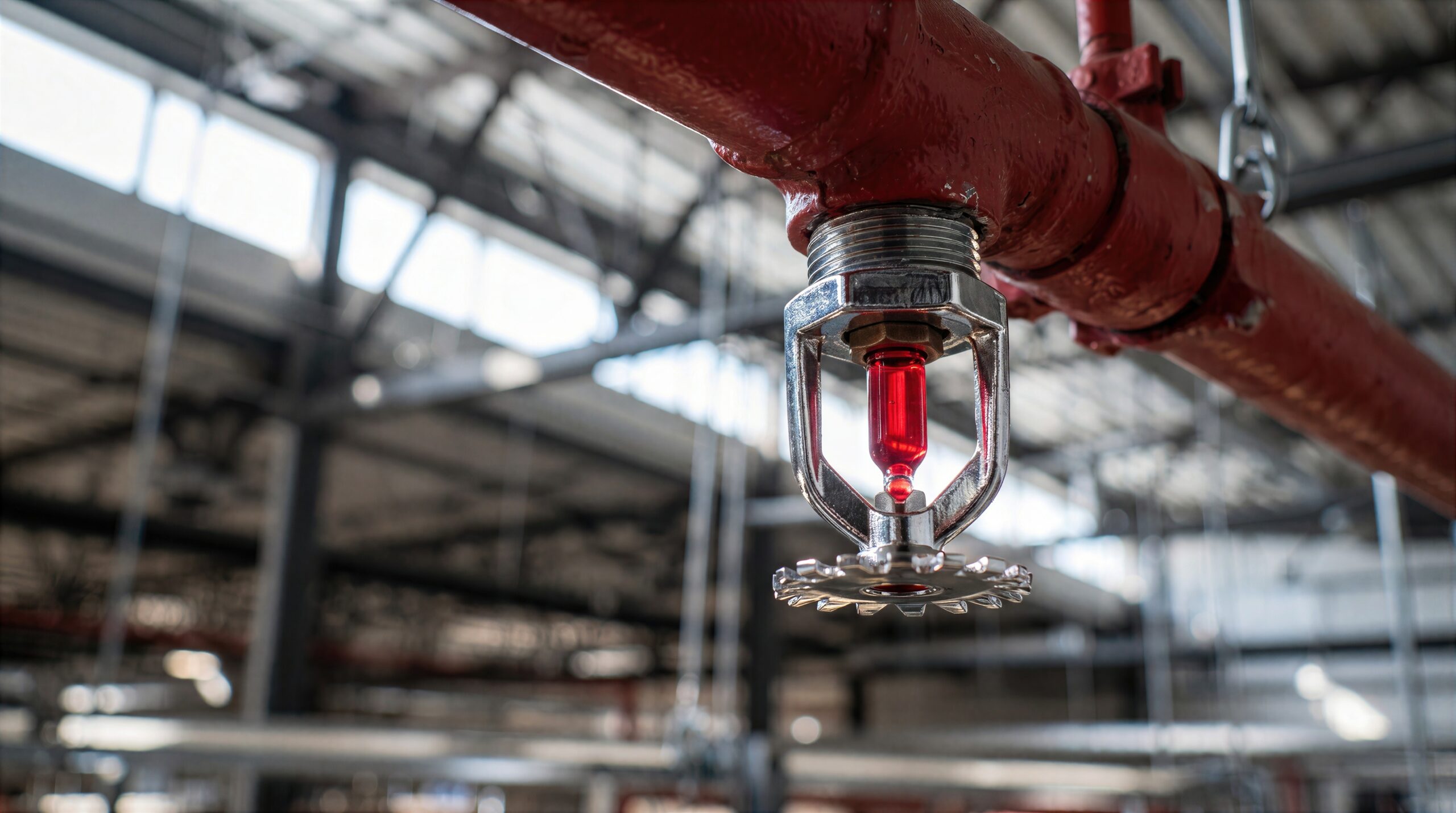
Every fire sprinkler system uses pipes, a water supply, and heads that react to heat. The main differences are what fills the pipes and what must happen before water flows. Understanding those differences makes it easier to compare options for a commercial building.
Wet Pipe Fire Sprinkler System
A wet pipe fire sprinkler system keeps water in the pipes at all times. When heat melts or breaks the heat-sensitive element in a head, water flows from that head only.
This design is the simplest and most common because it has few moving parts. It fits heated offices, retail spaces, schools, and multi-tenant buildings across Norfolk and Richmond.
Dry Fire Sprinkler System Work
A dry fire sprinkler system holds pressurized air or nitrogen in the pipes instead of water. A dry pipe valve keeps water out of the piping until a head opens and the pressure drops.
Water then enters the pipes and flows to the open head. Because of this extra step, water arrives later than in a wet system.
Pre-Action Fire Sprinkler System
A pre-action fire sprinkler system requires two events before water reaches a head. First, a detection device such as a smoke detector or heat detector must be activated. Second, a head must open from heat.
Some designs fill the pipes only after detection, which limits water exposure from damaged pipes. This is why a pre action fire sprinkler system is common for data rooms, archives, and electronics storage.
Deluge Fire Sprinkler System
A deluge fire sprinkler system uses open heads with no heat-sensitive element. The pipes stay empty until a detection system opens the deluge valve.
Water then discharges from every head in the zone at once. This design suits fast-spreading hazards such as flammable liquid areas, aircraft hangars, and some industrial processes.
What Are the Main Differences in Response, Cost, and Maintenance?
Response, cost, and upkeep rise as system complexity increases. Wet pipe systems have the lowest installation cost and simplest maintenance.
Dry pipe systems add air supply equipment and require trip testing. Preaction and deluge systems add detection panels and release controls, which increase design effort and testing.
Installation cost depends on building size, hazard, and water supply, so only a site-specific quote gives an accurate figure.
Choosing the Right Sprinkler System for Your Virginia Commercial Property
The right system depends on how the building is used, how it is heated, and what it holds. Code requirements and the local authority having jurisdiction (AHJ), usually the fire marshal or building official, set the final rules. These factors shape the design from the first site visit.
Building Occupancy and Hazard Level
Occupancy and hazard level determine the water demand and the system type. NFPA 13, the national standard for installing sprinkler systems, groups spaces by hazard, from light office use to extra hazard industrial use.
A distribution warehouse in Richmond with high-piled storage needs a different design than a small Norfolk office. Document what is stored, how high, and how it is packed before design begins.
Dry Pipe Systems for Freezing Conditions
Freezing risk points to a dry system. Hampton Roads winters are mild, but Virginia and Eastern North Carolina still see freezing nights.
Unheated loading docks, parking structures, attics, and canopies can drop below 40 degrees Fahrenheit, where water in wet pipes becomes a concern.
Owners should check each unheated area, since one cold space can justify a dry zone inside
an otherwise wet system.
Preaction Systems for Water-Sensitive Areas
Water-sensitive contents often call for preaction protection. Server rooms, records storage, and museum collections suffer major losses from accidental discharge.
A preaction system reduces that risk because a pipe leak alone does not release water. Owners should weigh that benefit against added detection equipment and testing needs.
Sprinkler System Maintenance and Inspection Requirements
Every fire sprinkler system needs ongoing fire sprinkler system inspection after installation. NFPA 25 covers inspection, testing, and maintenance of water-based fire protection systems.
Dry, preaction, and deluge systems include more components to test than wet systems. Building owners should plan for these recurring tasks and confirm exact schedules with their provider and AHJ.
Sprinkler Systems for Mixed-Use Buildings
Residential fire sprinkler system designs usually use wet pipe layouts because living spaces are heated. A mixed-use building may combine several types, such as wet systems in apartments and dry systems in a garage.
A fire sprinkler system house design follows residential standards, which differ from commercial rules. Mixed-use owners should confirm which standard applies to each part of the building.
Get Fire Sprinkler Guidance for Your Hampton Roads Property
Professional Fire Protection designs, installs, inspects, services, and repairs fire sprinkler and alarm systems for commercial and residential properties in Virginia and Eastern North Carolina. October is a good time to review unheated areas before winter.
Contact us to request a quote or evaluation.
Frequently Asked Questions
What are the four main types of fire sprinkler systems?
The four main types are wet pipe, dry pipe, preaction, and deluge. They differ in whether pipes hold water or air and what triggers water release at the sprinkler heads.
How often does a fire sprinkler system inspection need to happen?
Inspection frequency depends on system type, components, and local requirements. NFPA 25 sets inspection, testing, and maintenance schedules, so confirm your property’s exact fire sprinkler system inspections with a qualified provider and local officials.
What affects the cost to install a fire sprinkler system?
Installation cost depends on building size, hazard level, system type, water supply, and ceiling conditions. Preaction and deluge systems add detection and control components, so request a site-specific quote rather than relying on averages.
Do residential buildings use the same types of sprinkler systems?
Most residential fire sprinkler system designs use wet pipe layouts because homes and apartments are heated. Dry systems appear in spaces like unheated attics or garages. Requirements vary, so check with local code officials.