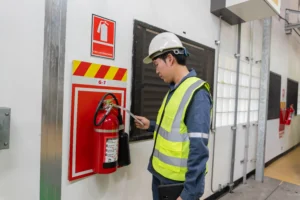


A fire alarm system works because several parts communicate as one unit, not as separate devices. The control panel, initiating devices, and notification appliances each play a distinct role in detecting smoke or heat and alerting occupants. For West Michigan business owners, understanding these parts helps when evaluating a new installation or troubleshooting an existing system.
Key Takeaways
- A fire alarm system depends on the control panel, detectors, and notification devices working together as one unit.
- Addressable systems identify the exact device that triggered an alarm, unlike conventional systems that only show a zone.
- Regular fire alarm system service and testing keeps Grand Rapids area buildings compliant with local fire code requirements.
- Knowing your system type helps you plan smarter upgrades, repairs, or monitoring changes before problems occur.
How Fire Alarm Components Protect West Michigan Businesses Together
Every commercial fire alarm system relies on three core groups of parts. Detection devices sense danger, the control panel processes that information, and notification appliances alert people inside the building. When these parts function correctly together, occupants get the warning time they need to evacuate safely.
The Fire Alarm Control Panel
The fire alarm control panel, often called the FACP, is the brain of the entire system. It receives signals from every connected detector and pull station, then decides how to respond. In West Michigan office buildings and warehouses, the panel also communicates with monitoring services and local fire departments when a real event occurs.
Smoke and Heat Detectors
Smoke and heat detectors are the primary initiating devices within a fire alarm system. Smoke detectors sense particles in the air, while heat detectors respond to rapid temperature increases in a space. Grand Rapids facilities with kitchens or mechanical rooms often use heat detectors there, since steam and dust can trigger false smoke alarms.
Manual Pull Stations
A pull station lets a person manually trigger the fire alarm system during an emergency. These devices are placed near exits so occupants can activate the alarm while evacuating. Building codes typically require pull stations at specific intervals throughout commercial properties, including multi-tenant buildings common in West Michigan.
Notification Appliances
Notification appliances include horns, strobes, and speakers that alert building occupants once the panel confirms an alarm condition. Strobe lights are especially important in facilities with high ambient noise, such as manufacturing plants. West Michigan buildings with hearing-impaired occupants often require both audible and visual notification under accessibility guidelines.
Addressable Versus Conventional Systems
Addressable fire alarm systems identify the exact device that triggered an alarm, down to the specific room or hallway. Conventional systems only narrow the alarm down to a zone, which can include several rooms. Larger commercial buildings in Grand Rapids typically benefit from addressable systems because they speed up response and reduce search time during an emergency.
What To Know Before Upgrading Or Maintaining Your Fire Alarm System
Deciding when to upgrade, repair, or expand a fire alarm system requires looking at building age, occupancy changes, and code updates. The sections below cover what commercial property owners in West Michigan should consider before making changes to an existing system.
Signs Your Fire Alarm System Needs Repair
A fire alarm system that keeps going off without cause often signals a wiring issue, dust buildup, or an aging detector. Frequent false alarms disrupt business operations and can lead to occupants ignoring real alerts over time. Any recurring issue should prompt a service call from a qualified fire alarm system technician.
When to Consider a Full System Replacement
Older fire alarm system panels, including some legacy Simplex fire alarm systems, may no longer support current parts or software updates. Buildings that have changed use, such as converting warehouse space to office space, often need a system redesign. A technician can assess whether a repair or full replacement makes more sense for the space.
Installation Timelines
Fire alarm system installation timelines depend on building size, existing wiring, and whether the project involves new construction or a retrofit. Retrofits in occupied buildings typically take longer since work must avoid disrupting daily operations. Property owners planning renovations should loop in a fire alarm system installer early in the design phase.
Coordinating With Local Fire Code Requirements
Local fire code requirements guide inspection frequency, device placement, and notification coverage for commercial fire alarm systems. West Michigan facilities should confirm current code requirements with their local authority having jurisdiction before starting any installation or major repair project. Code compliance also affects insurance requirements for many commercial property owners.
Choosing Between System Types for Your Building
The right fire alarm system depends on building size, layout complexity, and how quickly you need to locate an active alarm. Smaller single-zone buildings may still function well with a conventional system. Larger, multi-tenant, or multi-floor buildings generally perform better with an addressable system due to faster device identification.
Working With a Qualified Fire Alarm System Company
Choosing a fire alarm system company involves checking their experience with your building type and local code familiarity. A qualified provider should be able to explain design choices in plain language, not just technical terms. Ongoing service relationships also matter, since fire alarm systems require regular testing and inspection to stay compliant.
Protect Your Building With a Fire Alarm System That Works When It Matters
A fire alarm system is only as reliable as its weakest component, so regular inspection and service matter as much as the initial install. Professional Fire Protection Systems designs, installs, and services fire alarm systems for commercial properties, with a focus on code compliance and dependable performance. If your building is due for an inspection, repair, or new installation,
Contact us to discuss your fire alarm system needs.
Frequently Asked Questions
What are the three types of fire alarm systems?
The three main types are conventional, addressable, and wireless fire alarm systems. Each differs in how devices communicate with the control panel and how precisely they identify the alarm’s location within a building.
How much should a fire alarm system cost?
Costs vary widely based on building size, system type, and existing wiring conditions. Property owners should request a site evaluation and quote, since generic pricing rarely reflects the actual scope of a project.
What is the best fire alarm system for a commercial building?
The best fire alarm system depends on the building’s size, layout, occupancy, and fire protection requirements. Conventional systems may suit smaller buildings, while addressable systems can help larger facilities identify the specific device in alarm and simplify maintenance.
Does the fire department still give out free fire detectors?
Some local fire departments offer free smoke detector programs, though availability varies by municipality and funding. Homeowners should contact their local fire department directly to confirm current program availability in their area.