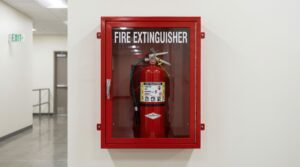

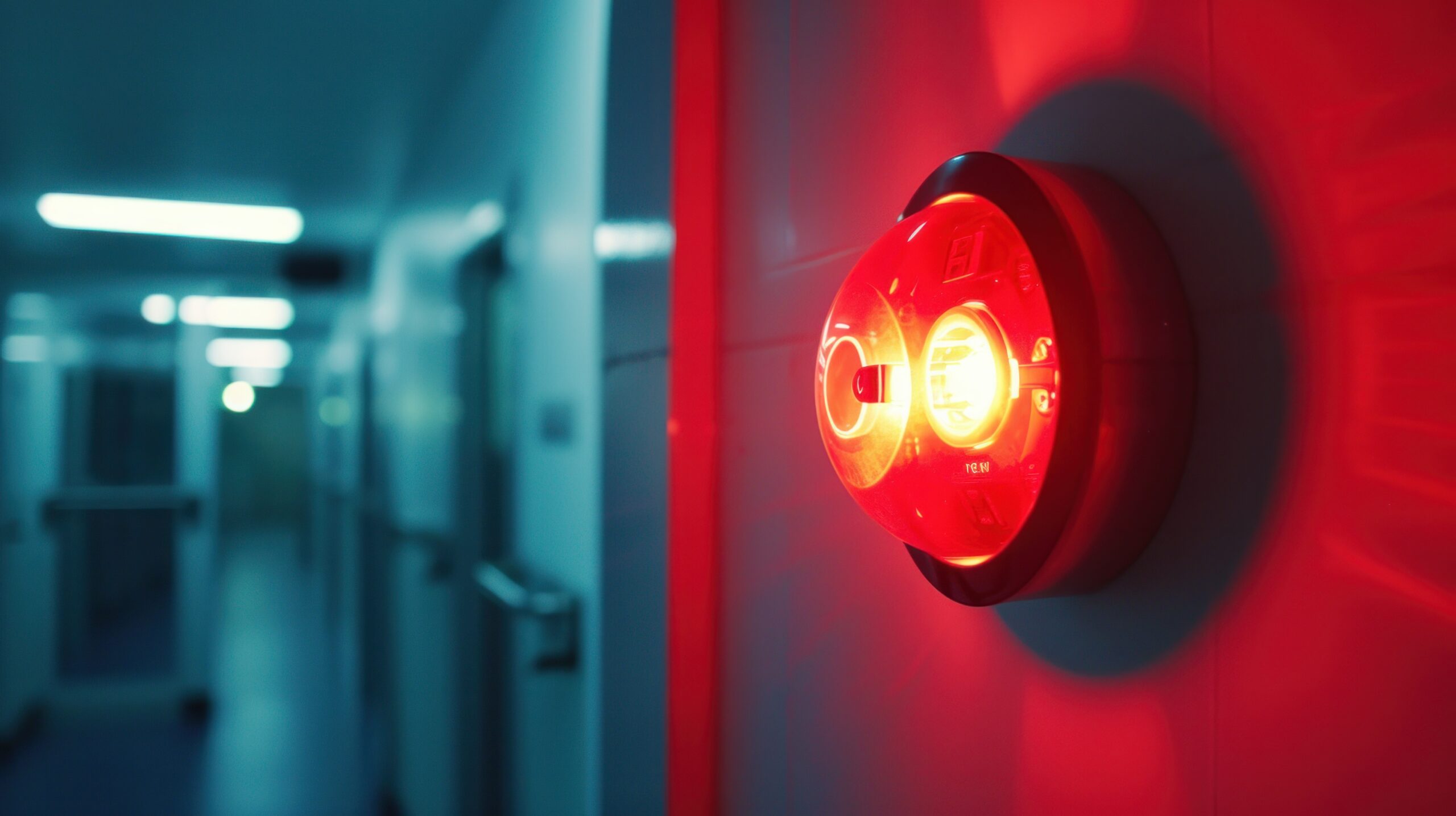
Commercial fire alarm systems in Virginia and Eastern North Carolina may beep, activate unexpectedly, or generate trouble signals for several reasons. These issues are often caused by low batteries, dust buildup, aging components, wiring issues, or environmental conditions. This guide explains why commercial fire alarms keep going off and when recurring issues require evaluation by a licensed technician.
Key Takeaways
- A beeping fire alarm often points to a low battery, dust, or a wiring fault.
- Alarm sound patterns vary by manufacturer, but a low battery warning is typically different from a full alarm activation.
- Hardwired fire alarms can beep even after a new battery due to backup power issues.
- Persistent or unexplained fire alarm activity in commercial buildings should prompt a professional inspection.
Common Causes of False Fire Alarms in Virginia Facilities
Understanding the most common triggers helps facility teams respond correctly instead of guessing. The causes below reflect patterns seen across office buildings, warehouses, and multi-tenant properties throughout Virginia and Eastern North Carolina.
Low Battery Signals
Low batteries are one of the most common reasons commercial fire alarm systems generate trouble signals or warning chirps. Because backup batteries keep the fire alarm system operating during power outages, aging batteries can reduce system reliability if they are not replaced. Routine fire alarm inspections and timely battery replacement help ensure reliable performance and keep the system ready during an emergency.
Dust and Debris in the Sensor Chamber
Dust buildup inside a smoke detector can trigger false alarms or unexplained beeping. Warehouses and manufacturing spaces in Richmond and Tidewater generate airborne particles that settle into sensor chambers over time. This buildup can make a detector overly sensitive or cause it to malfunction. Routine cleaning as part of scheduled inspections reduces this risk significantly.
End-of-Life Device Signals
Commercial smoke detectors and fire alarm devices have a limited service life, and aging components can become less reliable over time. As these devices reach the end of their lifespan, they may generate trouble signals or intermittent faults that are often mistaken for false alarms. Replacing end-of-life fire alarm devices during routine inspections helps improve system reliability, reduce unnecessary alarm notifications, and keep the fire alarm system ready for an emergency.
Wiring and Power Supply Issues
If a hardwired fire alarm continues beeping after the battery has been replaced, the issue may involve faulty wiring, backup power problems, or another electrical fault. Commercial buildings with aging electrical infrastructure are more susceptible to these issues. A licensed technician can identify the cause and restore reliable system performance.
Humidity and Temperature Fluctuations
Sudden humidity or temperature swings can trigger false activations in sensitive smoke detectors. Kitchens, loading docks, and poorly ventilated storage areas are common trouble spots. Steam or condensation near a detector can mimic smoke particles. A professional inspection can determine whether detector placement, environmental conditions, or system settings are contributing to repeated nuisance activations.
System Age and Outdated Technology
Older fire alarm panels and detectors were not designed for today’s building loads or occupancy patterns. As systems age, false alarms and beeping issues tend to increase. Many Virginia facilities operating on decades-old panels experience more frequent nuisance activations. Replacing aging components or modernizing the fire alarm system can improve reliability, reduce nuisance alarms, and support ongoing code compliance.
Improper Installation or Device Placement
A smoke detector placed too close to HVAC vents, doorways, or high-traffic areas can beep or activate falsely. Airflow and dust concentration near these locations affect sensor accuracy. This is a common issue in retrofitted commercial spaces where original layouts have changed. Correct placement, following manufacturer and code guidance, prevents many nuisance triggers.
When Professional Service Is the Right Next Step
Some beeping issues can be resolved with a simple battery replacement. Others indicate a deeper problem that requires trained technicians and code knowledge. Knowing when to call for professional service helps protect occupants, minimize disruptions, and keep your facility compliant with fire safety requirements.
The Beeping Continues After a Battery Replacement
Fire alarm beeping after a new battery installation is a clear sign the issue is not battery-related. This points to a wiring fault, backup power failure, or a failing control panel. Continuing to reset the device without diagnosing the root cause only delays the real fix. A technician can isolate the exact source quickly.
The Alarm Activates Without Any Visible Trigger
An alarm that activates randomly, with no smoke, heat, or obvious cause, needs professional evaluation. This can indicate a failing sensor, electrical interference, or a panel programming error. Repeated unexplained activations in a commercial building also risk desensitizing staff to real emergencies. A service visit confirms whether the device or the system itself is at fault.
Multiple Devices Are Beeping at Once
When several detectors or the panel itself beep simultaneously, the issue often extends beyond a single unit. This pattern can point to a shared power supply problem or a system-wide fault. Multi-tenant properties and larger facilities are especially vulnerable to this kind of cascading issue. A full system diagnostic is typically needed to isolate the cause.
The System Fails Inspection or Testing
If a fire alarm system fails a scheduled inspection or functional test, corrective repairs are required before the system can be considered compliant. This applies to sprinkler-integrated alarm systems as well as standalone panels. Facility managers should treat failed tests as a compliance deadline, not a minor inconvenience. Documentation of the repair is also needed for the local authority having jurisdiction.
Inspection, testing, and maintenance requirements for commercial fire alarm systems are outlined in the National Fire Alarm and Signaling Code (NFPA 72).
The Building Has Outdated or Undocumented System Components
Facilities with unknown panel age, missing documentation, or mismatched devices face higher troubleshooting difficulty. Without accurate records, technicians must first map the existing system before addressing the beeping. This is common in older commercial buildings across Eastern North Carolina and Virginia that have changed ownership. A professional evaluation establishes a clear baseline for future service.
Keep Your Facility’s Fire Alarm System Reliable
Persistent fire alarm beeping, trouble signals, or repeated false alarms are more than an inconvenience. They may indicate underlying issues that affect system reliability and should not be ignored. Prompt evaluation and timely repairs help reduce the risk of system failures, business interruptions, and compliance concerns.
Professional Fire Protection Systems has served commercial properties across Virginia and Eastern North Carolina since 2003. Facility managers dealing with recurring alarm issues can contact us to schedule an inspection or service call. Addressing recurring fire alarm issues early helps keep your system reliable, code compliant, and ready to respond when needed.
Frequently Asked Questions
How do you stop a fire alarm from beeping?
Start by checking for a low battery or trouble signal, as these are common causes of recurring beeping. If the issue continues, the system should be inspected by a qualified fire alarm technician.
Why does my fire alarm beep every 30 seconds?
A chirp every 30 seconds almost always signals a low battery in the detector. If replacing the battery does not stop the chirping, the device may be reaching the end of its service life.
Why is my fire alarm randomly beeping?
Random beeping can result from dust in the sensor, temperature swings, wiring issues, or an aging device. In commercial buildings, a technician should inspect the system to confirm the exact cause.
What does a fire alarm sound like when it detects carbon monoxide?
Carbon monoxide alarms typically use a distinct pattern of four beeps, followed by a pause and then four more beeps. This differs from the three-beep patterns used for smoke or fire detection.